Biodiversity Toolkit for Farmers
Pollinators are declining. Soil health is under pressure. Nature is thinning out across both countryside and towns.
FREE bee-friendly seeds + a chance to win 2 tickets to Groundswell 2027!
We’ve been hard at work growing something special: our brand-new Biodiversity Toolkit for Farmers– a simple, stress-free guide designed to make ecological surveys easy for farmers and citizen scientists alike. See the link above.
Now we need your help to make it even better!
Complete our short feedback form in the link above and leave us your address, and we’ll send you a bee-friendly seed mix from Vital Seeds as a thank you.
WIN 2 TICKETS TO GROUNDSWELL 2027
To enter our prize draw like and share the post on our Instagram, Facebook or LinkedIn pages.
WANT A BONUS ENTRY?
Try one of the surveys from the Biodiversity Toolkit and send us a photo of you doing it for an extra entry into the prize draw!
The Details:
The Biodiversity Toolkit for Farmers is a new project launched in March 2026 in Devon, led by Common Flora in partnership with farmers and local communities. Supported by Innovate UK, part of UK Research and Innovation (UKRI), the project is developing practical and affordable ways for farmers to measure and improve biodiversity on their land.
The need for this work is urgent. Around 71% of the UK’s land is farmland, yet vital habitats such as hedgerows have declined by around 50% in the last 75 years, contributing to significant biodiversity loss. Farmers currently lack accessible and credible tools to measure biodiversity, limiting their ability to demonstrate environmental improvements and access funding.
This project builds on Common Flora’s established work in regenerative agroecology, biodiversity monitoring, and community engagement, bringing together practical land management experience with ecological research and citizen scientists.
Please click here for the summary.
Farmers currently lack accessible, affordable, and credible tools to measure biodiversity. Without this evidence, many struggle to demonstrate environmental performance, access funding, or participate in emerging nature-based markets such as Biodiversity Net Gain.
What We Do
The Biodiversity Toolkit combines citizen science, ecological surveys, and online mobile tools to help farmers collect reliable biodiversity data. This enables farms to establish baseline conditions, understand what species should be present, and take targeted action to improve habitats.
The approach is designed to be scalable, cost-effective, and adaptable, with potential for wider rollout across the UK.
Together we:
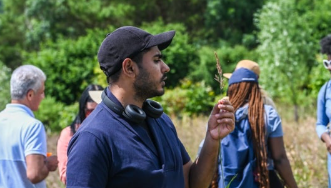
Conduct hedgerow, soil, fungi, insect, butterfly, bat and bird surveys
Use accessible recording apps to gather reliable field data
Plant wildflower seeds and improve field margins
Walk farms and share ecological knowledge
Gather in green spaces across rural and urban communities
Every event includes good food, shared learning, and a strong sense of connection.
This is practical ecology grounded, collaborative, and rooted in place.
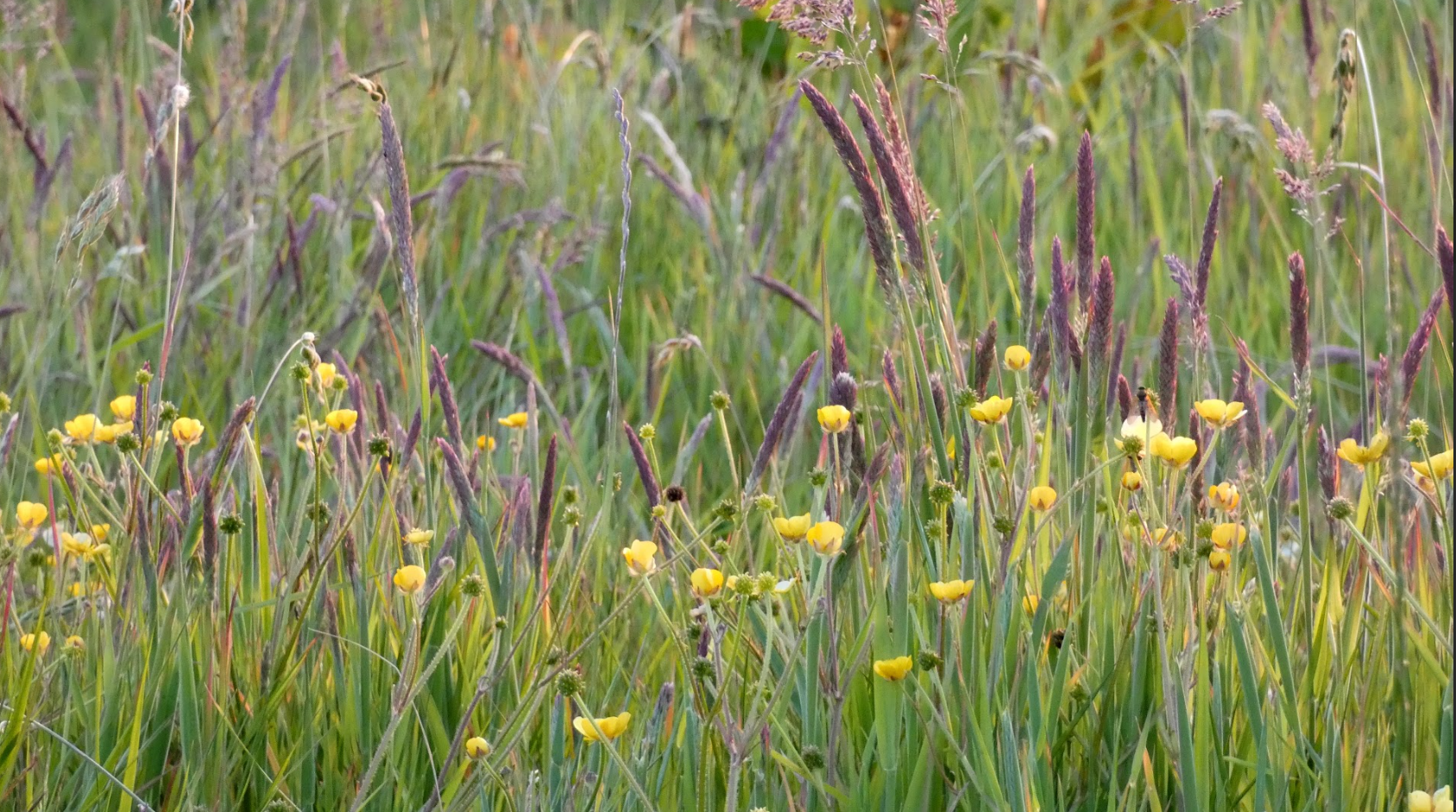
Land & Nature Impact
We are building a model that works in the real world of farming.
Our toolkit:
Increases biodiversity over time through structured baselining
Trials a practical, scalable, and cost-effective approach to on-farm ecological monitoring
Tests a user-friendly app that analyses plant and insect data
Identifies biodiversity gaps and recommends suitable trees, shrubs, and wildflowers
Produces clear visual reports with habitat improvement guidance
Strengthens farm resilience and sustainability
Supports access to nature-based income opportunities, including the Sustainable Farming Incentive (SFI) and emerging nature markets
Contributes to nature-positive, net-zero farming across the UK
This is not theory. It is a working toolkit designed for farmers.
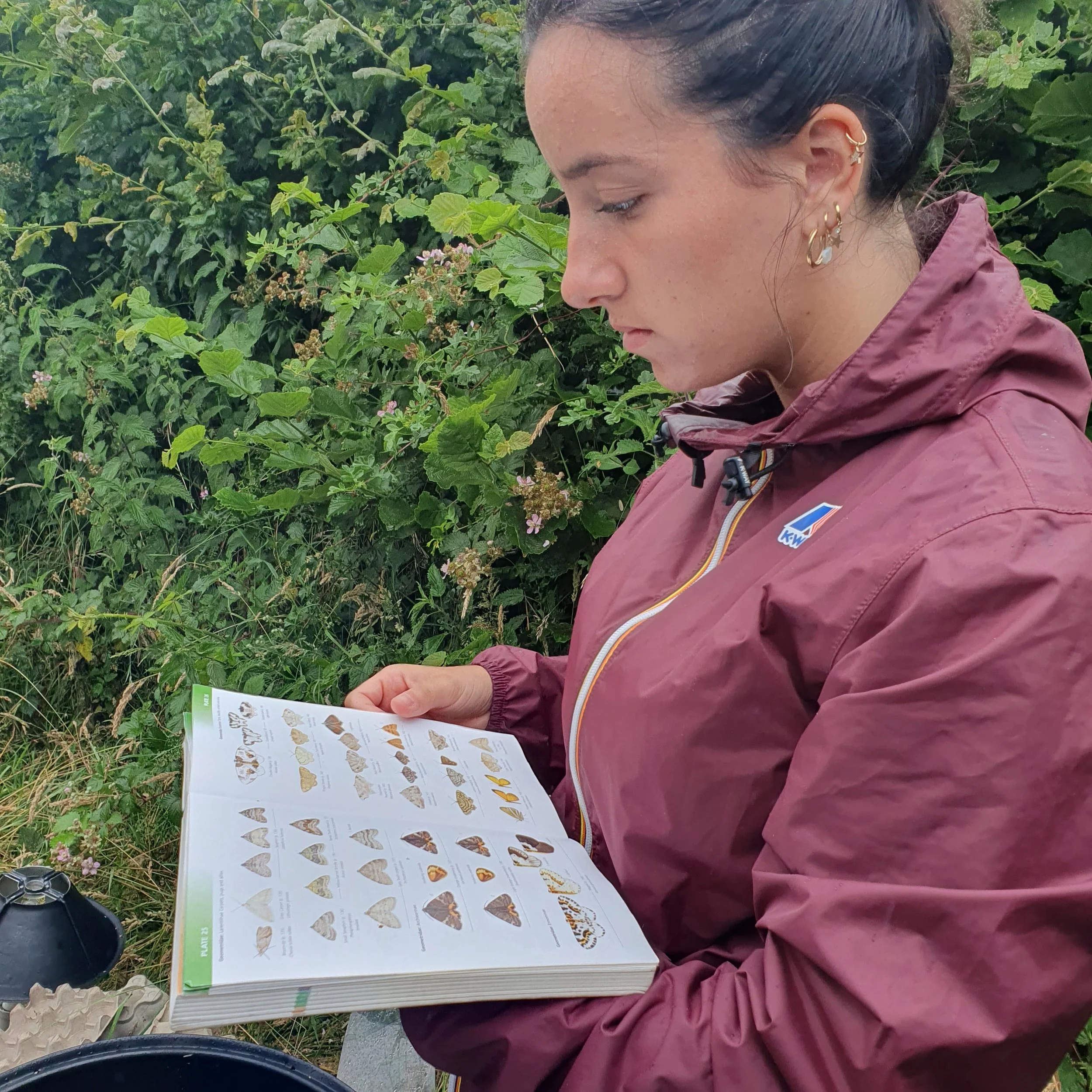
Human Impact
We measure change in people as carefully as we measure change in land.
Using recognised, standardised wellbeing and nature-connection scales, we assess:
Shifts in people’s relationship with nature
Improvements in wellbeing over time
We also record oral testimonies and lived experiences.
Char’s Story
Char, originally from Zimbabwe, experienced civil war, drought, and domestic abuse before building a new life in the UK. Her deep connection to nature led her to become a Citizen Scientist and create a wildlife retreat garden.
She has attended most of our events and describes them as essential for her mental wellbeing. She has since joined a local botany group and reports stronger community connections.
After one year in the project, she described a “120%” increase in her appreciation of the natural world.
“Even half an hour to an hour in nature — what it does for you mentally is amazing.
People need to invite nature back in. Bring their children. Let them grow up with it.”
A local farmer told us:
“Children need to understand their environment. Many don’t know where their food comes from. Getting down into the soil — that connection matters.”
You can hear our Podcast of farmers and citizen scientists stories here
iNaturalist Projects
Follow our live biodiversity data and farm projects on iNaturalist
Access our practical, easy-to-use Mental Wellbeing Guide for Farmers and Landworkers below
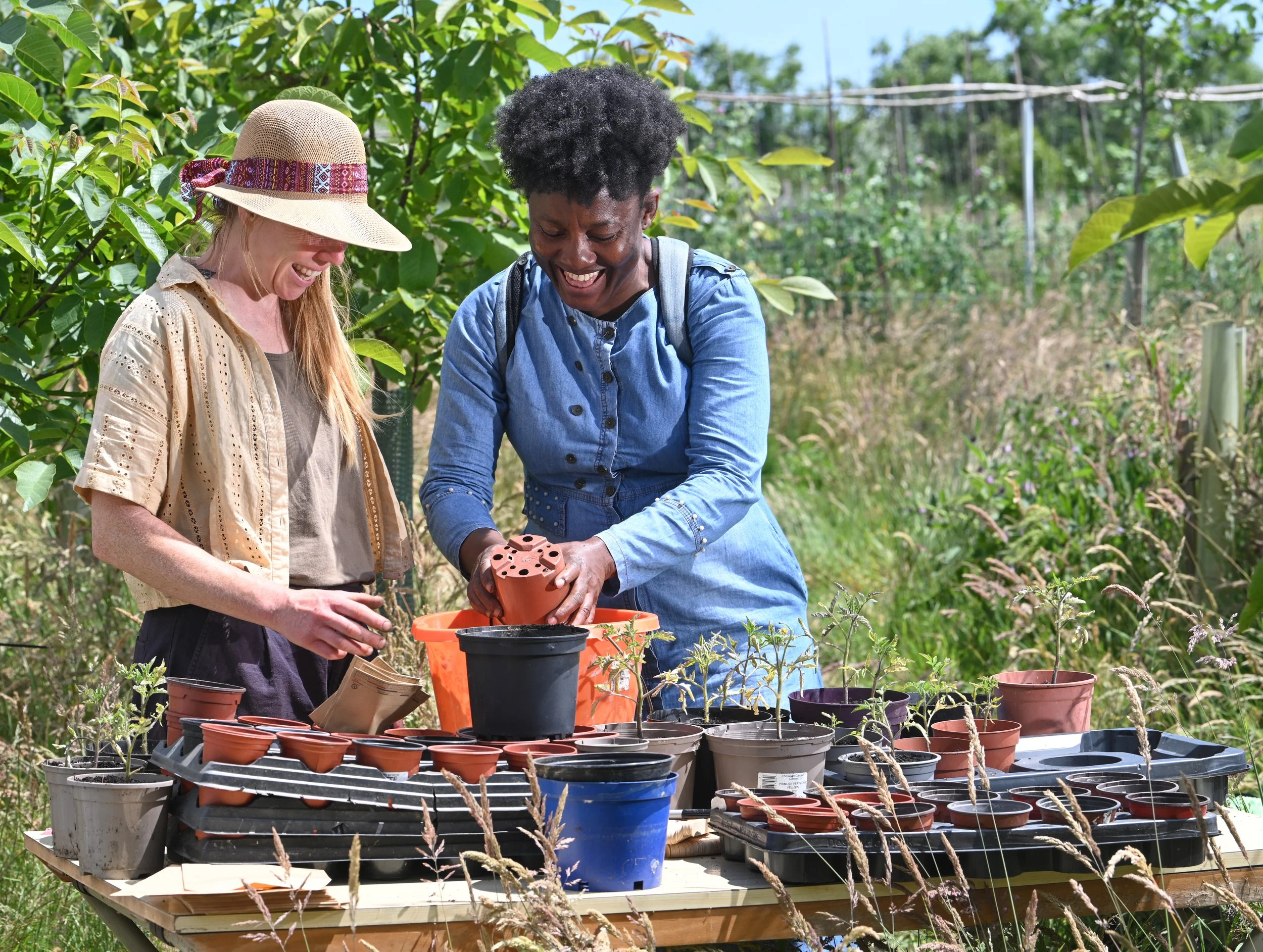
Oral History Project: Land, Memory & Farming Futures
Can we understand where we are going if we don’t know where we have been?
Supported by the National Lottery Heritage Fund, our oral history and living learning project is now live: click here for the link
With thanks to our collaborators at The Folklore Library.
We share recordings from 11 contributors across:
Devon
Belgium
Mexico
Brazil
Ireland
Hong Kong
United States
Saudi Arabia
They reflect on land, regenerative practices, agroecology, rural livelihoods, and the changing meaning of farming.
Stories Include:
Claudia’s grandfather farming vast rural land in Mexico without financial wealth
Graham witnessing Devon become increasingly unaffordable
Lessons from 1950s agriculture and earlier
The physical demands of farming life
Women in agriculture
Herbal knowledge
Species loss
Fears for the future of food, farm incomes, and the planet
Summer 2024 also saw five public ecological survey events where people shared skills and stories in nature.
Key themes:
The joy of storytelling
The importance of adults involving children
Deep, long-held nature connection
Rural hospitality
Collective growing and local food systems.

We are currently inviting:
Citizen scientists in Devon
Farmers interested in trialling the toolkit
Local communities who want to reconnect with nature
No prior experience is needed.
For more information please contact us mail@commonflora.co.uk or 07716588749
This project is supported by Innovate UK, part of UK Research and Innovation (UKRI).